
Этикет в нашей жизни (Etiquette in our life)
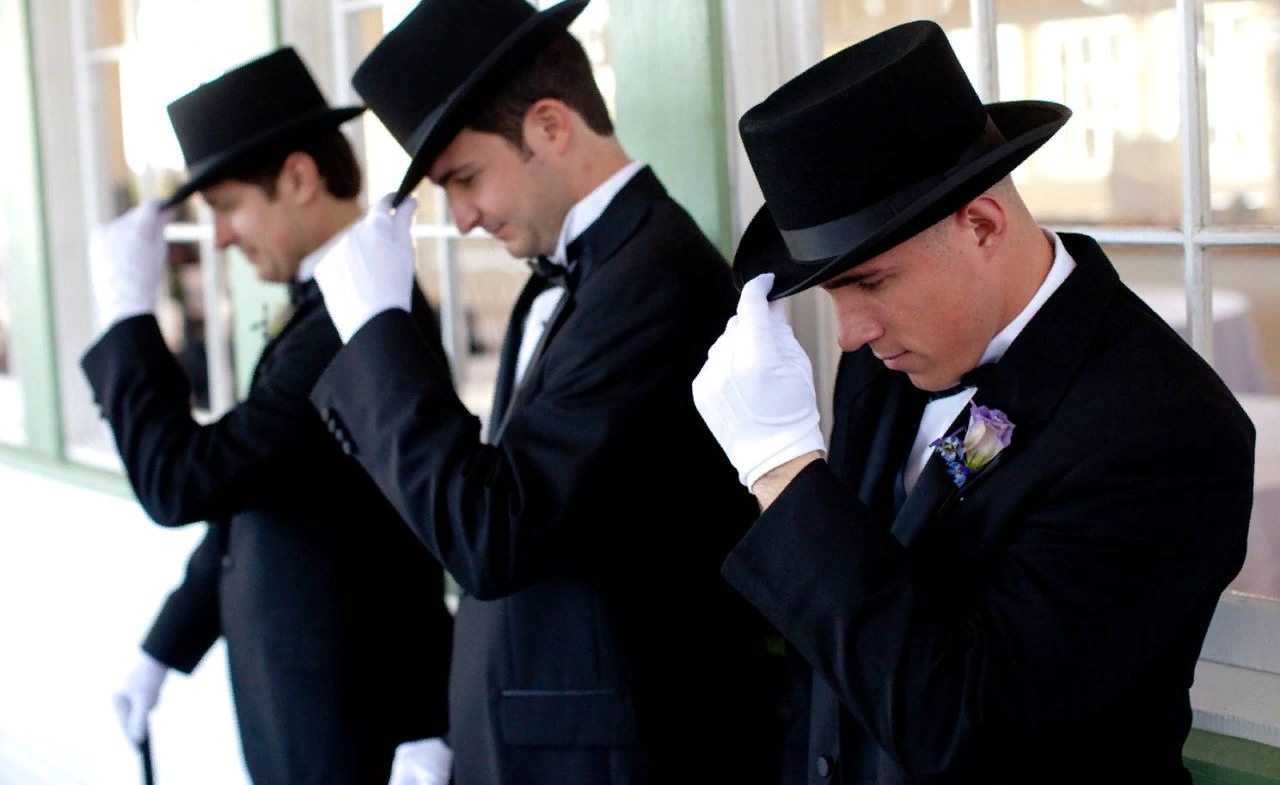
We live in a modern and developing society, and are constantly among people: at work, at home, in transport, on the street, in places of rest. In dealing with people it is very important to follow the rules of etiquette. Etiquette is a series of certain good manners that help a person to be in society. If we want to make an impression of ourselves as a competent, interesting, educated and educated person, the rules of good form are very important.
Since ancient times, a set of certain rules was established that helped people communicate and thus made life easier. First of all, a person is judged by his behavior, manner of speaking, how polite and tactful he is. The elementary words “Hello!” Or “Goodbye!” Indicate a high level of social etiquette. The most important thing in communication is not to offend anyone, not to insult, not to provoke a conflict, but only to establish friendly contact.
It is very important to own speech etiquette, to be able to behave at official events, to know the rules of table setting and to own good manners at the table.
Unfortunately, not everyone knows the rules of etiquette and have bad manners. Such people laugh loudly in public places, leave trash behind, do not give way to older people, disabled people or pregnant women, do not wait for their turn. They do not know words like “Thank you”, “Sorry”, “Be kind”, “Goodbye”. But this is nothing complicated, you just smile and say «Hi.» We need to constantly work on ourselves, control emotions and words, think over actions and behavior if we want to be involved in a civilized society.
Перевод
Очень важно владеть речевым этикетом, уметь вести себя на официальных мероприятиях, знать правила сервировки стола и владеть хорошими манерами за столом.
К сожалению, не все знают правила этикета и имеют плохие манеры. Такие люди громко смеются в общественных местах, оставляют после себя мусор, не уступают место пожилым людям, инвалидам или беременным женщинам, не ждут своей очереди. Они не знаю таких слов как «Спасибо», «Извините», «Будьте добры», «До свидания». А ведь в этом нет ничего сложного, достаточно лишь улыбнуться и сказать «Привет». Нужно постоянно работать над собой, контролировать эмоции и слова, думать над поступками и поведением, если мы хотим быть причастными к цивилизованному обществу.
помогите напишите 10 правил этикета в России на английском языке с переводом Пожалуйста
Courtesy
Courtesy is a set of good manners which we use in everyday life. Good manners and rules of behavior at home, work, transport or other places, are very important in modern society. Even in ancient times people had to observe certain rules of conduct, which made their lives easier. A person is seen and evaluated through his behavior and communication with other people. If someone has a rich and beautiful inner world he or she demonstrates high level of social etiquette. Sometimes when we simply say “Hello!” meeting people and “Good Bye!” leaving, it shows our good manners. It is also necessary to use polite words in formal situations and when talking to strangers or elderly people. For men it is a good manner to let women go first. Most people hold doors for the next visitor in stores, restaurants and other public places. Young people ought to give place to older and disabled people in public transport. Pregnant women and little children also have a priority in such situations. Table manners are another important issue. While at formal dinners, people usually eat with fork and knife. Soon after sitting down at the table it is correct to put a napkin on your lap. Well-mannered people usually know the rules of table setting. When there is a variety of silverware in front of you, it’s a good idea to start with the knife, fork or spoon that is farthest from your plate. Not everyone knows the rules of courtesy. There are also many people who have bad manners. For example, they talk or laugh loudly in public places, which is not acceptable. They litter in the streets or cause inconvenience to other people. They stare at people they don’t know and never say “Sorry!” or “Thank you!” Such behavior should be avoided if we want to be a part of civilized society.
ЭТИКЕТ
Этикет представляет собой набор хороших манер, которые мы используем в повседневной жизни. Хорошие манеры и правила поведения дома, на работе, транспорте или других местах, очень важны в современном обществе. Еще в древние времена люди должны были соблюдать определенные правила поведения, которые облегчали им жизнь. Человека видят и оценивают через его поведения и общения с другими людьми. Если у кого-то богатый и красивый внутренний мир, то он или она располагают высоким уровнем социального этикета. Иногда, когда мы просто говорим «Привет!» при встрече с людьми и «До свидания!» уходя, это указывает на наши хорошие манеры. Помимо этого, в официальных ситуациях и при разговоре с незнакомыми или пожилыми людьми необходимо использовать вежливые слова. Для мужчин хорошей манерой является пропускать женщин вперед. Большинство людей придерживают двери для следующего посетителя в магазинах, ресторанах и других общественных местах. Молодежь должна уступать место пожилым людям и инвалидам в общественном транспорте. Беременные женщины и маленькие дети также имеют приоритет в таких ситуациях. Застольные манеры – еще один важный вопрос. Во время официальных обедов люди обычно едят вилкой и ножом. Вскоре после того, как вы сели за стол, нужно положить салфетку на колени. Хорошо воспитанные люди обычно знают правила сервировки стола. Когда перед вами различные столовые приборы, хорошо бы начать с ножа, вилки или ложки, которые наиболее удалены от вашей тарелки. Не все знают правила этикета. Существует также много людей, у которых плохие манеры. Например, они громко говорят или смеются в общественных местах, что является неприемлемым. Они мусорят на улицах или причиняют неудобства другим людям. Они глазеют на людей, которых совсем не знают и никогда не говорят «Простите!» или «Спасибо!». Такого поведения следует избегать, если мы хотим быть частью цивилизованного общества.
Английский этикет (English etiquette)
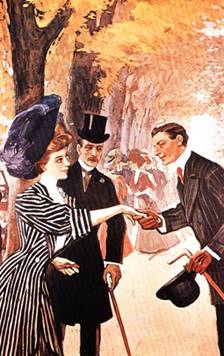
We all know that the word «etiquette» means public norms of polite behavior and good-order rules among people, at work, at the table, at a party, at business meetings. In each country, the rules of conduct are different, but for some reason it is the British that are a model of polite tone and manners of behavior.
The whole world has long been laughing and joking at the English pedantry and the ability to remain unperturbable in any situation. But upbringing, alertness and correctness, only emphasize their impeccable culture. They never interrupt during a conversation and do not ask tactless questions. Do not enter into conflicts and try to bypass sharp corners. You will never hear rude words and high pitch, the English are too ambitious to behave this way. Their coldness and stiffness disarm.
At acquaintance and meetings it is inadmissible to hug and kiss on the cheek, but only shake hands. In England, it is not accepted to ask about the amount of income, age (especially women), marital status.
If it concerns business meetings, a visit to a doctor, solemn events, the delay on your part will be disrespectful. Excessive emotionality is not welcomed among the English, but they are generous with compliments on any occasion. This people is modest, and they are very proud, with a sense of dignity. The English never ask for help, do not complain and do not expect sympathy.
In England, the love of the family and of the Motherland is sacred. Here, family relations, problems in the family are not put on display, they do not discuss personal life and relatives. And despite the secrecy and closeness within the family, the English are very hospitable people.
Перевод
Все мы знаем, что слово «этикет» означает общественные нормы вежливого поведения и правила хорошего тона среди людей, на работе, за столом, в гостях, на деловых встречах. В каждой стране правила поведения разные, но почему-то именно британцы являются образцом вежливого тона и манер поведения.
Весь мир уже давно посмеивается и шутит над английской педантичностью и способностью оставаться невозмутимыми в любых ситуациях. Но воспитанность, предупредительность и корректность, лишь подчеркивают их безупречную культуру. Они никогда не перебивают во время разговора и не задают бестактные вопросы. Не вступают в конфликты и стараются обходить острые углы. Вы никогда не услышите грубых слов и повышенного тона, англичане слишком амбициозные, чтобы вести себя подобным образом. Их холодность и чопорность обезоруживают.
При знакомстве и встречах недопустимо обниматься и целоваться в щеку, а лишь пожать руку. В Англии не принято спрашивать о размере доходов, возрасте (особенно женщин), о семейном положении.
Если дело касается деловых встреч, визита к врачу, торжественных мероприятий, опоздание с вашей стороны будет являться неуважением. Чрезмерная эмоциональность не приветствуется среди англичан, но при этом они с щедростью дарят комплименты по любому поводу. Этот народ отличается скромностью, при этом они очень гордые, с чувством собственного достоинства. Англичане никогда не просят о помощи, не жалуются и не ждут сочувствия.